Atelier No. 01 · Est. 2026

StudioVerdoni

Wallets cut from full hides and made by hand, with every seam joined by heavy-duty thread for a clean, durable finish — built for daily use, not just to look good in a photo.

First collection currently in production — hides selected, patterns cut, hardware sourced.
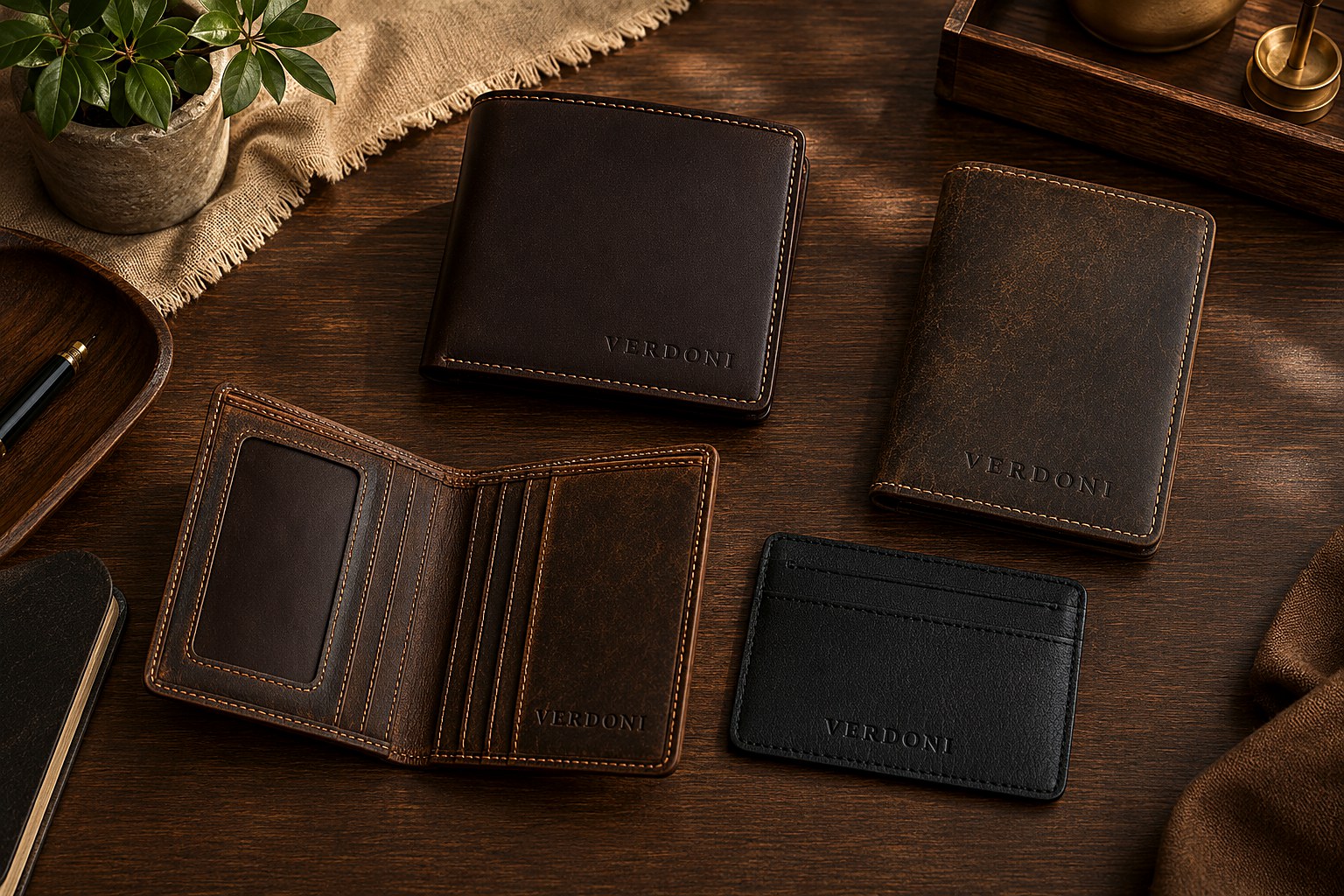
The Verdoni wallet collection — bifold, trifold, and card holders — displayed on a wooden desk

Durability by design

Why we started Studio Verdoni, and the standard every wallet has to meet before it leaves the bench.

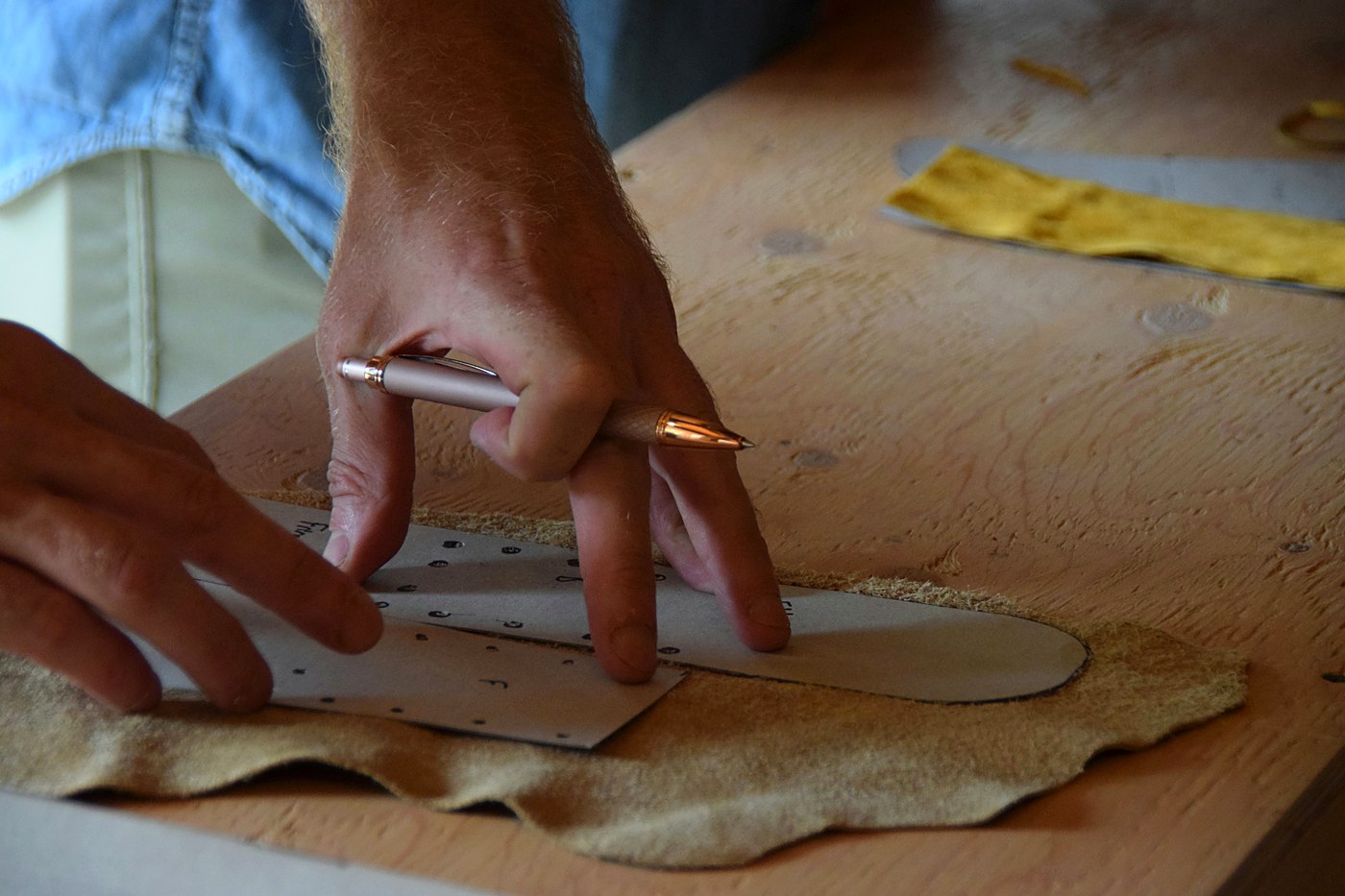
Hands marking a leather pattern by hand before cutting
A wallet should be something you keep for years, not replace every few months.

After one too many wallets that cracked at the fold or lost their shape with everyday use, we set out to create one that was built differently.

We spent months sourcing hides from trusted tanneries, choosing the right leather for each design rather than relying on a single material for every wallet. We worked closely with experienced leather craftsmen, refining every detail — from the cut and stitching to the finishing touches — until each piece felt as good in the hand as it looked.

Every decision was made with durability, function, and timeless design in mind, so that each wallet is built to age beautifully and stand up to everyday life.
Three hides, one standard

We keep our materials to three hides, each chosen for a different reason. Here's what goes into a Verdoni wallet, and why.

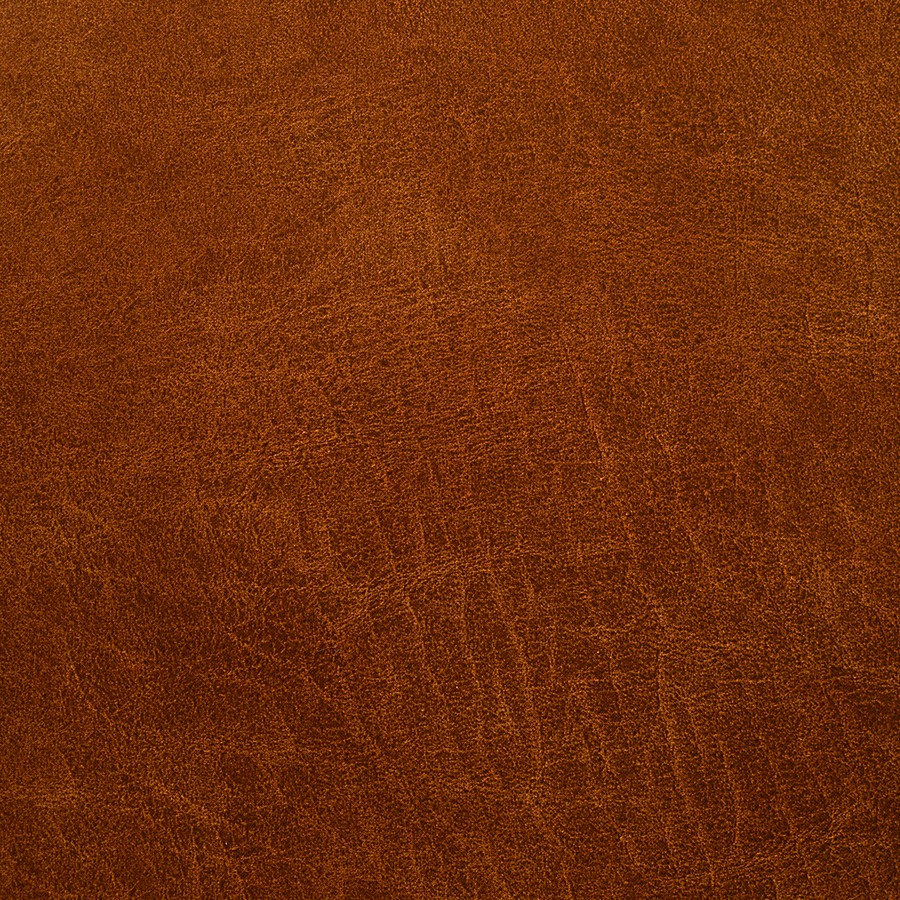
Close-up of Nappa leather grain
No. NP—01

Nappa

A full-grain hide tanned for softness above all — the surface is left close to natural, so it stays supple and drapes rather than holds a crease. This is what gives a Verdoni wallet its break-in feel from day one.

Feel
Soft, supple
Finish
Natural, minimal
Used in
Interiors, card slots
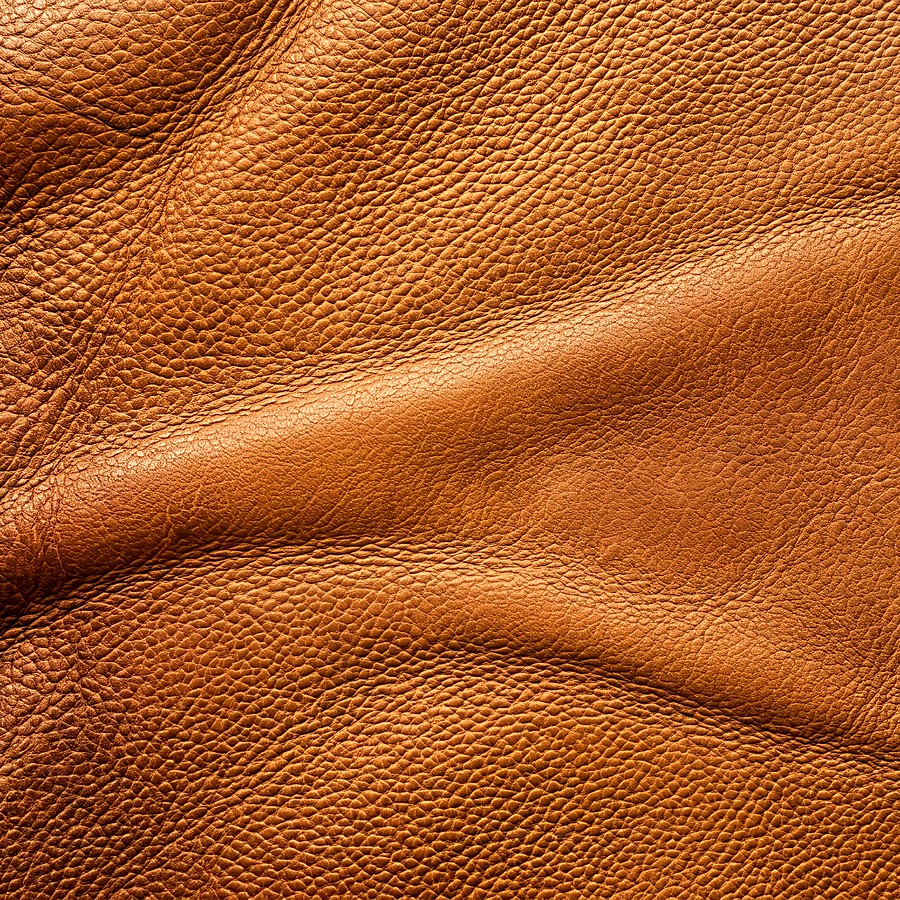
Close-up of Oil Pull-Up leather finish
No. OP—02

Oil Pull-Up

Oils and waxes worked through the hide shift color and lighten visibly wherever it's flexed or creased — a lived-in look that's built into the leather, not sprayed on top. It only gets more distinct with use.

Feel
Flexible, supple
Finish
Oil & wax
Used in
Exterior panels
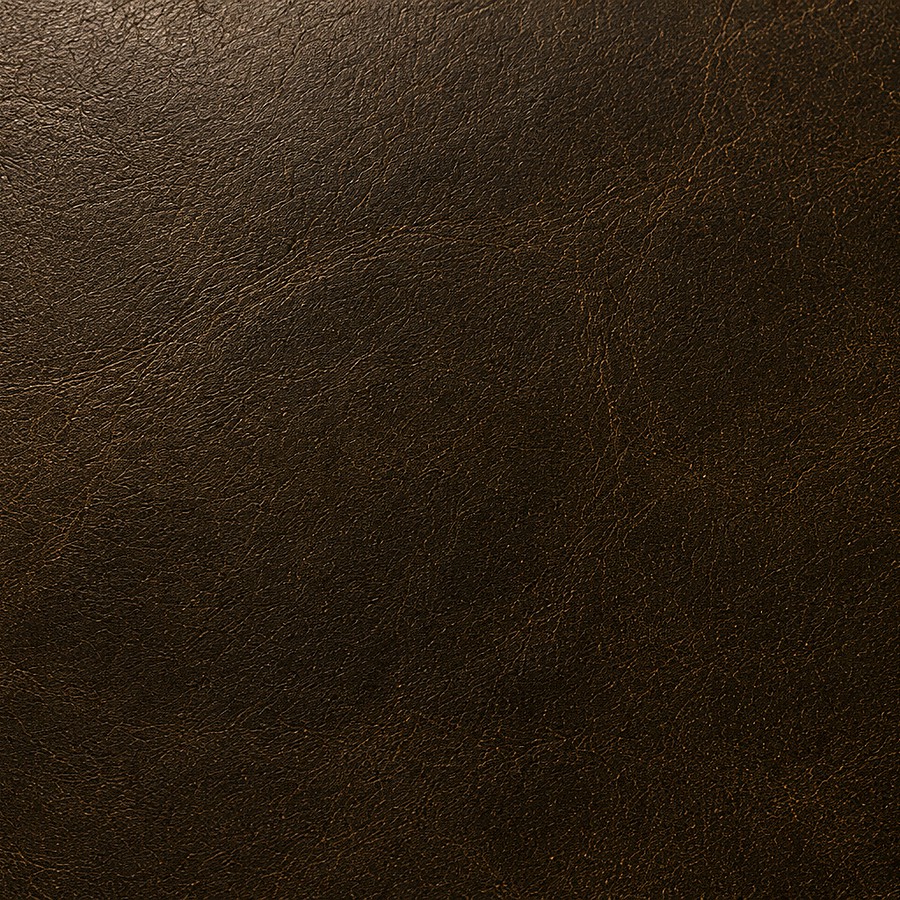
Close-up of Hunter leather texture
No. HN—03

Hunter

A full-grain hide finished with a light wax coat that mutes the shine and keeps small scuffs from standing out. We reach for it on the panels that take the most daily handling.

Feel
Firm, rugged
Finish
Matte wax
Used in
Structured panels

How a wallet gets made

Five stages, in order, from raw hide to a wallet that's ready to be carried. We won't skip any of them to hit a launch date.

01

Hide Selection

Each hide is inspected by hand for grain consistency and natural markings before it's approved for cutting.

02

Cutting & Skiving

Panels are die-cut to pattern, then skived along the folds and edges so seams sit flat instead of bulking up.

03

Stitching

Every seam is joined with heavy-duty thread for a tight, consistent line that holds up to daily use.

04

Edge Burnishing

Raw edges are sanded, sealed, and burnished by hand until they're smooth and rounded, not just painted over.

05

Inspection & Conditioning

A final check against the pattern, then a light conditioning oil before the wallet leaves the bench.

Be the first to carry one

Our first collection is being made right now. Leave your email and we'll let you know when it's ready to order.